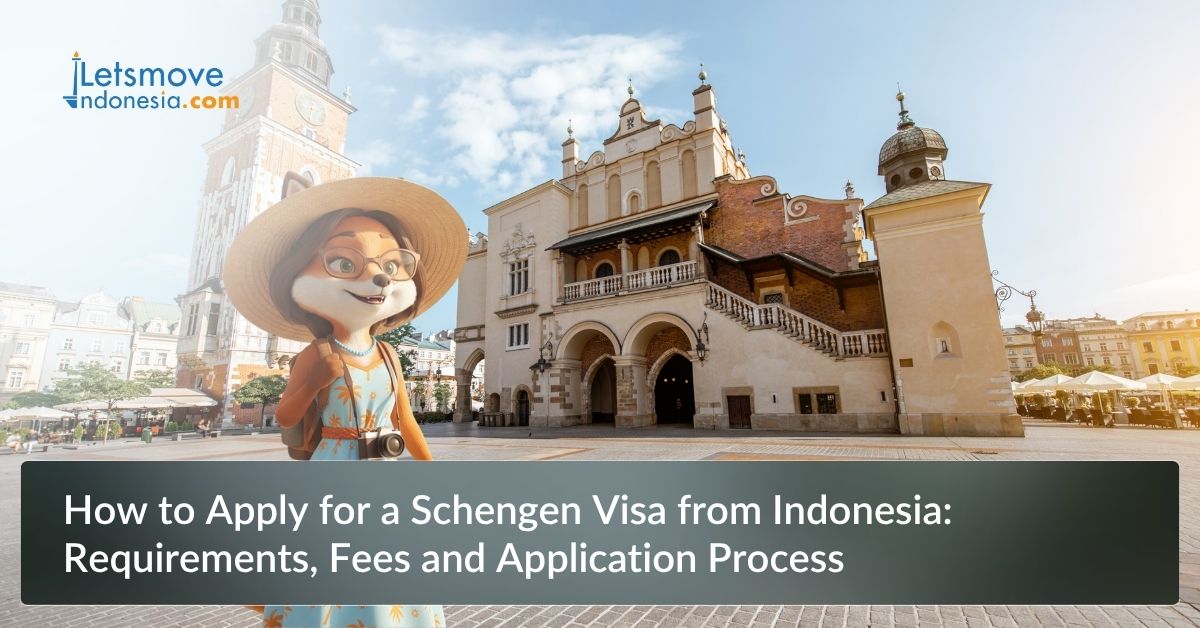
Planning a trip to Europe in 2026? Indonesian passport holders generally need a Schengen visa to visit most European destinations for tourism, business meetings, family visits and other short-term purposes. Although one visa can provide access to 29 Schengen countries, applicants must meet specific requirements concerning their travel purpose, finances, accommodation, insurance and intention to leave the region before their authorised stay expires.
Understanding how to apply for a Schengen visa is essential to avoiding unnecessary delays and preparing a complete application. Applicants can manage the process independently or work with a professional visa agency for assistance with document preparation, application requirements and appointment planning.
For Indonesian travellers, the European Union’s updated visa cascade policy, introduced in July 2025, also offers the possibility of longer-validity multiple-entry visas for eligible applicants.
This guide from LMI Consultancy explains the Schengen visa requirements for Indonesian citizens, application procedures, fees, processing times and the benefits of using a visa agency.
What Is a Schengen Visa?
A Schengen visa is a short-stay travel authorisation that allows eligible non-EU nationals to visit the Schengen Area for up to 90 days within any 180-day period, subject to the conditions of the visa issued.
The Schengen Area comprises 29 European countries that apply common rules governing external border controls and short-stay visas. Travellers holding a valid uniform Schengen visa can generally move between these countries without applying for a separate short-stay visa for each destination.
However, a Schengen visa does not automatically grant the right to work, reside permanently or remain in Europe for longer than the permitted period.
Indonesian citizens planning a stay exceeding 90 days, such as for employment, long-term study or residence, should investigate the relevant national visa or residence permit instead.
Which Countries Can You Visit with a Schengen Visa?
The 29 Schengen countries are listed below by region.
| Region | Schengen Countries |
| Western and Central Europe | Austria, Belgium, France, Germany, Luxembourg, the Netherlands, Switzerland |
| Southern Europe | Croatia, Greece, Italy, Malta, Portugal, Slovenia, Spain |
| Northern Europe | Denmark, Finland, Iceland, Norway, Sweden |
| Eastern Europe and the Baltic Region | Bulgaria, Czechia, Estonia, Hungary, Latvia, Lithuania, Poland, Romania, Slovakia |
| Other Schengen Countries | Liechtenstein |
Types of Schengen Visa for Indonesian Citizens
The appropriate visa depends on the purpose of travel, intended duration of stay and whether the applicant expects to enter the Schengen Area once or several times.
| Visa Type | Entry Permission | Validity | Suitable For |
| Single-Entry Schengen Visa | One entry into the Schengen Area | Determined by the visa issued | Travellers planning a single trip |
| Multiple-Entry Schengen Visa | Multiple entries while the visa remains valid | May range from a short period to several years, potentially up to five years | Frequent travellers, business visitors and people who regularly visit family in Europe |
A single-entry visa generally cannot be used for another entry after the holder leaves the Schengen Area, even if the visa’s expiry date has not passed.
A multiple-entry visa allows repeated entry and exit during its validity period, subject to its conditions. However, neither visa type permits unlimited stays. The standard short-stay limit remains 90 days within any 180-day period.
Schengen Visa Cascade Policy for Indonesian Citizens
In July 2025, the European Commission adopted more favourable rules for issuing multiple-entry Schengen visas to Indonesian nationals residing in Indonesia who apply for short-stay visas in Indonesia.
Under the revised visa cascade arrangements, eligible Indonesian applicants may be issued a multiple-entry Schengen visa valid for up to five years after obtaining and lawfully using a previous visa within the preceding three years, provided their passport has sufficient remaining validity.
The policy is intended to make repeat travel easier by reducing the need to submit a new visa application for every trip.
Applicants should note the following conditions:
| Consideration | What Applicants Should Know |
| Previous visa | The applicant must meet the applicable conditions concerning the lawful use of a previous visa. |
| Passport validity | The passport must satisfy the relevant validity requirements. |
| Eligibility | Applicants must meet the conditions of the applicable visa cascade rules. |
| Final decision | The competent consular authority determines whether to issue a multiple-entry visa and its validity period. |
| Duration of stay | A five-year visa does not permit continuous residence in the Schengen Area. The 90-days-in-any-180-day-period rule still applies. |
A five-year multiple-entry visa is not an unconditional entitlement. Travellers should check the latest guidance from the relevant embassy or consulate before applying.
Schengen Visa Requirements for Indonesian Citizens
Although the precise document checklist varies by destination and the applicant’s circumstances, most short-stay Schengen applications require evidence of identity, travel purpose, accommodation, financial means and travel medical insurance.
Submitting complete and consistent documentation is important because the consular authority must assess whether the proposed trip is credible and whether the applicant satisfies the entry requirements.
1. Passport and Personal Documents
Applicants should generally prepare the following documents:
| Document | General Requirement |
| Passport | Issued within the previous 10 years and valid for at least three months after the intended departure from the Schengen Area. |
| Visa application form | Completed according to the destination country’s instructions. |
| Recent photograph | Must meet the applicable visa photograph specifications. |
| Passport copies | Copies of relevant passport pages and previous visas, where required. |
| Civil-status documents | Additional documents may be required depending on the applicant’s circumstances. |
Applicants should verify the exact passport, photograph and supporting-document requirements published by the relevant embassy or consulate.
2. Travel Itinerary and Accommodation
Applicants must demonstrate the purpose and arrangements of their proposed trip.
| Document | Purpose |
| Flight or transport itinerary | Shows the proposed travel arrangements and dates. |
| Accommodation evidence | Demonstrates where the applicant intends to stay. This may include hotel reservations or accommodation details from a host. |
| Day-by-day itinerary | Explains the intended destinations and activities, where appropriate. |
| Invitation letter | May be required for applicants visiting friends, relatives or business contacts. |
| Business documentation | May include conference registration, scheduled meetings or an invitation from a host company. |
The itinerary should be realistic and consistent with the dates, accommodation arrangements and stated purpose of the trip.
Applicants should check the destination authority’s guidance before purchasing non-refundable flights or accommodation. A reservation or itinerary does not guarantee visa approval.
3. Proof of Financial Means
Applicants must demonstrate that they can finance their stay and return journey, including accommodation, daily expenses and other anticipated costs.
Depending on individual circumstances, supporting documents may include:
| Financial Document | Relevance |
| Bank statements | Demonstrate available funds and financial activity over the period specified by the consulate. |
| Salary slips | Support evidence of regular employment income. |
| Employment confirmation letter | Provides information about the applicant’s employment and, where relevant, salary. |
| Business financial records | May support applications from business owners and self-employed applicants. |
| Savings and investment records | May provide additional evidence of financial resources. |
| Sponsorship documents | May be required when another person or organisation is funding the trip. |
There is no single universal bank-balance threshold that guarantees approval for every Schengen application. The financial resources required may depend on the destination country, length of stay, accommodation arrangements and individual circumstances.
4. Employment and Evidence of Return to Indonesia
The consular authority assesses the application as a whole, including the applicant’s circumstances and intention to leave the Schengen Area before the authorised stay expires.
The following documents may be relevant, depending on the applicant’s circumstances.
| Applicant Category | Potential Supporting Documents |
| Employees | Employment confirmation letter, approved leave documentation where applicable, recent salary slips and evidence of continuing employment. |
| Business owners | Business registration documents, company financial records and evidence of business activities and responsibilities. |
| Students | Student identification card, enrolment confirmation and relevant educational records. |
| Other applicants | Evidence of family responsibilities, professional obligations, assets or other relevant circumstances in Indonesia. |
No single document guarantees approval. Applicants should provide evidence that accurately reflects their personal, professional and financial circumstances.
5. Schengen Travel Medical Insurance
Travel medical insurance is a standard requirement for a short-stay Schengen visa.
The policy must generally provide coverage of at least €30,000 for medical expenses, emergency hospital treatment and repatriation, including repatriation in the event of death. It must also meet the applicable territorial and validity requirements for the intended trip.
Before purchasing a policy, confirm that it meets the requirements published by the relevant embassy or consulate. Ordinary travel insurance should not be assumed to satisfy the visa requirements without checking its coverage.
6. Additional Supporting Documents
Depending on the purpose of travel, applicants may need further documentation.
| Travel Purpose or Circumstance | Potential Additional Documents |
| Business travel | Invitation from the host company, conference registration or evidence of scheduled meetings. |
| Visiting family or friends | Invitation letter and supporting documents from the host. |
| Sponsored travel | Evidence of the sponsor’s identity, financial means and commitment to cover expenses. |
| Travel involving minors | Additional documents concerning parental consent, guardianship or travel arrangements, where applicable. |
| Documents issued in Indonesian | Translations, legalisation or other formalities where required by the destination authority. |
The destination authority’s current instructions should take precedence over general checklists found online.
How to Apply for a Schengen Visa from Indonesia
Indonesian citizens can generally apply through the visa application channel designated by the Schengen country responsible for their trip. In many cases, this involves a visa application centre that collects documents and biometric data on behalf of the relevant consular authority.
The process usually involves the following stages.
| Step | Application Stage | What You Need to Do |
| 1 | Determine the responsible country | Apply through the country that is your sole or main destination. If no main destination can be established and the duration of stay is equal, the country of intended first entry generally determines where to apply. |
| 2 | Check official requirements | Review the destination country’s current document checklist, application procedures, fees and submission arrangements. |
| 3 | Prepare documents | Complete the application form and organise the supporting documents. Check that personal details, travel dates and financial information are consistent. |
| 4 | Arrange an appointment | Book through the designated visa application centre or follow the official submission procedure for the destination country. |
| 5 | Submit documents and biometrics | Attend the appointment if required, submit the documents and provide fingerprints and a photograph where applicable. |
| 6 | Pay the fees | Pay the applicable visa fee and any required service charges using the specified payment method. |
| 7 | Await the decision | Respond to any requests for additional documents and follow the instructions for passport collection or return. |
| 8 | Check the issued visa | If approved, verify the validity dates, number of entries and permitted duration of stay before travelling. |
Step 1: Determine Which Schengen Country Should Receive Your Application
If your trip involves several Schengen countries, you cannot necessarily apply to whichever embassy offers the most convenient appointment.
The application should generally be submitted to the country that is your sole or main destination, determined by the purpose of the trip or the length of stay.
If you plan to spend equal amounts of time in several countries and no main destination can be established, the country through which you intend to enter the Schengen Area generally determines where you should apply.
For example, if an Indonesian traveller plans to spend six nights in France and three nights in Italy, France would generally be the main destination for the application.
Choosing the correct destination authority is an essential first step. Applying to the wrong country may result in delays or the need to submit the application through the appropriate channel.
Step 2: Check the Official Visa Requirements
Once the responsible country has been identified, review the relevant embassy or consulate’s official guidance.
Requirements may differ according to the purpose of travel, applicant category, place of application and individual circumstances.
Confirm the current document checklist, application form, visa fee, designated application centre, appointment availability and any translation or legalisation requirements.
Step 3: Prepare the Application and Supporting Documents
Complete the application form accurately and prepare the supporting documents in the required format.
Check that names, passport details, travel dates, accommodation information and financial records are consistent throughout the application.
Where appropriate, organise the documents according to the official checklist. This can make the application easier to review and help identify missing items before submission.
Applicants who are uncertain about the requirements may seek assistance from a professional visa agency before proceeding.
Step 4: Arrange an Appointment Through the Designated Channel
Depending on the destination country, applicants may need to book an appointment through an authorised visa application centre or follow another official submission procedure.
Appointment availability and submission arrangements vary by country and location. Applicants should use the official booking channel and avoid assuming that all Schengen applications follow an identical process.
A visa agency may help applicants understand the appointment procedure and prepare for submission. However, it cannot guarantee an earlier appointment or override the application centre’s booking system.
Step 5: Attend the Appointment and Provide Biometrics
Applicants may need to attend an appointment in person to submit their documents, provide their passport and have their fingerprints and photograph collected.
Biometric requirements and exemptions depend on the applicable rules and the applicant’s circumstances. Applicants should follow the instructions provided by the relevant authority.
Bring the documents specified in the appointment instructions, including originals where required.
A visa application centre may collect the application and supporting documents, but it does not make the final decision on whether a visa is granted.
Step 6: Pay the Applicable Fees
The visa application fee and any applicable service charges must be paid according to the instructions for the destination country and application centre.
Payment procedures, accepted methods and service fees may differ. Applicants should verify the current amount before attending their appointment.
Visa application fees are generally non-refundable, including when an application is refused.
Step 7: Wait for the Decision and Collect Your Passport
After submission, the application is assessed by the competent consular authority.
Applicants may be asked to provide additional documents or information. They should respond within the timeframe specified by the authority.
Once a decision has been made, follow the relevant instructions for collecting the passport or receiving the outcome.
If the visa is granted, check the visa sticker carefully before travelling. Confirm the validity dates, number of permitted entries and authorised duration of stay.
How Much Does a Schengen Visa Cost in 2026?
The standard Schengen short-stay visa fees are as follows.
| Applicant Category | Standard Visa Fee |
| Adults | €90 |
| Children aged six to under 12 | €45 |
| Children under six | Generally exempt from the visa fee |
| Visa application centre service fee | Additional charge may apply |
| Other application expenses | May include insurance, photographs, translations and transport |
These amounts cover the standard visa application fee, not necessarily the full cost of applying.
Depending on the destination country and submission arrangements, applicants may also need to pay a visa application centre service fee. Additional expenses may include travel medical insurance, photographs, document translations, transport to the appointment and other supporting services.
The total cost therefore varies according to the applicant’s circumstances and the country responsible for processing the application.
Is the Visa Fee Refundable?
Visa application fees are generally non-refundable if the application is refused or withdrawn.
How Long Does a Schengen Visa Application Take?
Under the general Schengen visa rules, an application is normally decided within 15 calendar days of being lodged and accepted for processing.
In individual cases, the processing period may be extended to as long as 45 calendar days, particularly where additional scrutiny or supporting documents are required.
| Processing Stage or Situation | General Timeframe |
| Standard application processing | Normally 15 calendar days |
| Application requiring additional scrutiny or documents | May be extended to 45 calendar days |
| Appointment and document preparation | Additional time may be required |
| Recommended approach | Apply as early as reasonably possible |
Should You Apply Independently or Use a Visa Agency?
Applicants can prepare and submit their own Schengen visa applications. However, the process involves several stages, from identifying the correct consular authority to assembling documents that demonstrate the purpose and financial feasibility of the trip.
For applicants with complex travel plans, limited time or uncertainty about the requirements, a professional visa agency may provide practical assistance.
Benefits of Using a Visa Agency for a Schengen Visa
| Benefit | How a Visa Agency Can Help |
| Application route guidance | Help identify the appropriate country and submission channel based on the proposed itinerary. |
| Document checklist review | Identify missing documents and explain the applicable requirements. |
| Application form assistance | Review forms for accuracy and consistency with supporting documents. |
| Financial documentation guidance | Help applicants identify relevant financial evidence and potential inconsistencies. |
| Appointment guidance | Explain booking procedures and help applicants prepare for their appointment. |
| Business and family travel support | Assist with understanding supporting documents, such as business invitations and sponsorship records. |
| Additional document requests | Help applicants understand requests from the consular authority and organise a response. |
| Administrative convenience | Reduce the time applicants spend interpreting requirements and organising their documentation. |
Can a Visa Agency Guarantee Schengen Visa Approval?
No. A visa agency cannot guarantee that a Schengen visa will be granted. The decision rests with the competent embassy or consulate. An agency does not have the authority to approve a visa, waive official requirements or ensure a favourable outcome.
Applicants should be cautious of any service provider promising guaranteed approval, offering to circumvent official procedures or encouraging the submission of misleading documents.
The value of professional assistance lies in helping applicants navigate the process, understand the requirements and prepare a more complete and consistent application.
Common Reasons for Schengen Visa Refusal
| Potential Reason | Explanation | How to Reduce the Risk |
| Incomplete documentation | Required documents may be missing or outdated. | Follow the official checklist and verify that all documents are current. |
| Inconsistent information | Details may differ between the application form and supporting documents. | Check names, travel dates, accommodation and financial information carefully. |
| Insufficient financial evidence | The authority may question whether the applicant can fund the trip. | Provide genuine financial records that demonstrate the available resources. |
| Unclear travel purpose | The itinerary or supporting documents may not adequately explain the trip. | Submit a realistic itinerary and relevant supporting evidence. |
| Concerns about departure | The authority may question whether the applicant will leave before the authorised stay expires. | Provide relevant evidence of personal, professional or financial circumstances. |
| Inadequate travel insurance | The policy may not satisfy the applicable coverage requirements. | Confirm that the policy meets the destination authority’s specifications. |
| Previous immigration issues | Relevant previous visa breaches or overstays may affect the assessment. | Answer questions truthfully and provide explanations or documents where requested. |
No preparation method can eliminate every risk of refusal. Each application is assessed individually, and the final decision rests with the consular authority.
Practical Tips Before Applying for a Schengen Visa
The following recommendations can help applicants prepare their documents and manage the application process.
| Recommendation | Why It Matters |
| Apply early | Allows time for appointments, document preparation and potential delays. |
| Choose the correct destination authority | Helps avoid submitting the application through the wrong country. |
| Provide accurate information | Reduces inconsistencies that may complicate the assessment. |
| Prepare financial evidence | Helps demonstrate how the trip will be funded. |
| Check insurance coverage | Ensures the policy meets the applicable requirements. |
| Avoid unnecessary non-refundable bookings | Reduces financial exposure if the application is delayed or refused. |
| Review the visa after approval | Confirms the permitted entries, validity dates and duration of stay. |
| Consider professional assistance | May be useful for complex itineraries or applications requiring additional documentation. |
Frequently Asked Questions About Schengen Visas
1. Do Indonesian Citizens Need a Schengen Visa?
Yes. Indonesian passport holders generally require a visa for short visits to the Schengen Area, including tourism and most business visits. The applicable requirements depend on the purpose and circumstances of the trip.
2. Can I Visit Several European Countries with One Schengen Visa?
Generally, yes. A valid uniform Schengen visa allows travel within the Schengen Area, subject to its conditions. You must still apply through the country responsible for your sole or main destination.
3. How Much Does a Schengen Visa Cost in 2026?
The standard fee is €90 for adults and €45 for children aged six to under 12. Children under six are generally exempt from the visa fee. Additional service charges and other application expenses may apply.
4. How Long Does It Take to Obtain a Schengen Visa?
The standard processing period is 15 calendar days. In certain cases, it may be extended to 45 calendar days. Appointment availability and document preparation can add to the overall time required.
5. Can Indonesian Citizens Obtain a Five-Year Schengen Visa?
Eligible Indonesian nationals residing in Indonesia may be issued a multiple-entry visa valid for up to five years under the visa cascade rules introduced in July 2025. Eligibility depends on the applicable conditions, including the lawful use of a previous visa within the preceding three years and sufficient passport validity. Approval and visa validity are not guaranteed.
6. Can a Visa Agency Apply for a Schengen Visa on My Behalf?
A visa agency can assist with application preparation, document checks and procedural guidance. Whether someone else can formally lodge an application on your behalf depends on the destination country’s rules and the applicant’s circumstances. Applicants may still need to attend an appointment in person to provide biometrics.
7. Does Using a Visa Agency Increase My Chances of Approval?
A visa agency cannot guarantee approval or influence the consular decision. However, professional assistance may help applicants identify missing documents, understand the relevant requirements and present accurate, consistent supporting information.
8. Can I Work in Europe with a Schengen Tourist Visa?
No. A standard short-stay Schengen visa does not grant the right to take up employment. Individuals intending to work or stay for longer than 90 days should investigate the relevant national visa or residence permit.
9. What Should I Do if My Schengen Visa Application Is Refused?
Read the refusal notice carefully to understand the reasons given and the available review or appeal procedures, where applicable. Depending on the circumstances, you may consider addressing the identified issues before making a new application.
10. When Should I Apply for a Schengen Visa?
Applications can generally be submitted up to six months before the intended trip and, as a rule, at least 15 calendar days before departure. Applying early is advisable because appointment availability, additional document requests and processing extensions can affect travel plans.
Apply for Your Schengen Visa with Professional Guidance
Preparing a Schengen visa application involves more than completing a form. Applicants must identify the correct destination authority, understand the applicable requirements and submit supporting documents that accurately reflect their travel plans and personal circumstances.
For Indonesian travellers, professional assistance may make this process easier to manage, particularly when the itinerary involves several countries or the application requires additional supporting documentation.
LMI Consultancy provides immigration consultation and visa application assistance to help clients understand the relevant requirements and prepare their applications. Our team can help you navigate the documentation process, review your application requirements and identify the appropriate next steps for your intended travel.
Contact LMI Consultancy to discuss your Schengen visa application and receive guidance tailored to your travel plans.
Disclaimer: Visa requirements, fees, application procedures and processing times may change. The information in this article is intended for general guidance and should be checked against the latest instructions issued by the relevant embassy, consulate or authorised visa application centre. Visa approval and validity are determined by the competent authority.
Official Sources for Fact-Checking
Before publication, verify the latest requirements and policy details against the relevant official sources:
- European Commission: Applying for a Schengen visa
- European Commission: Schengen visa policy
- EU Delegation to Indonesia: Official website
- Netherlands Worldwide: Applying for a Schengen visa in Indonesia