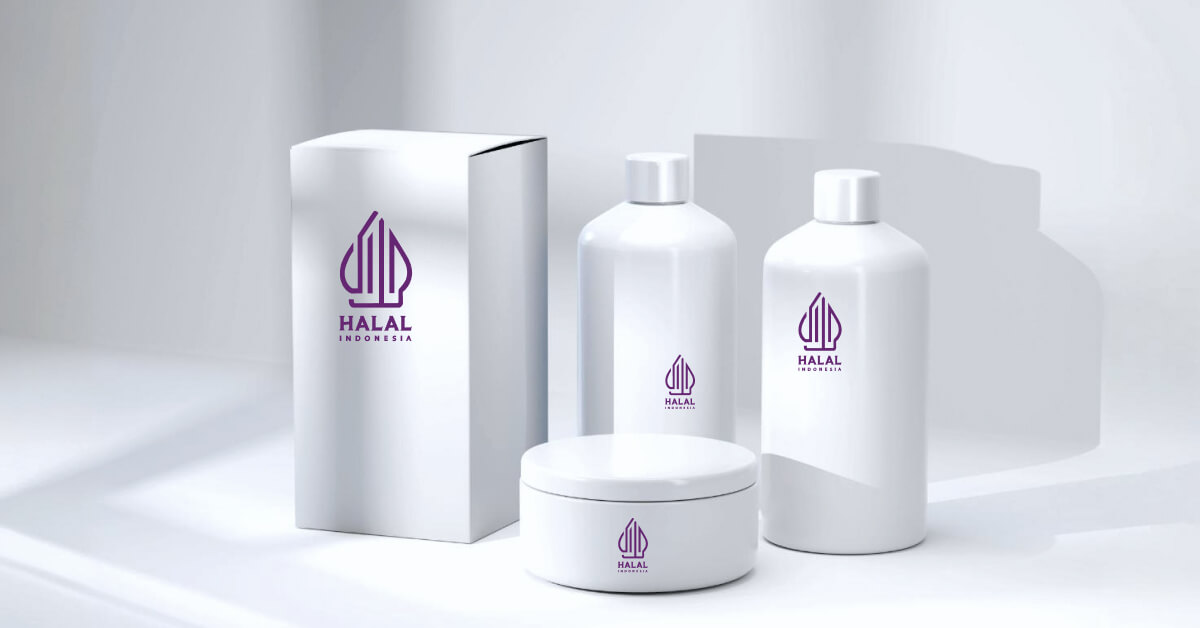












Indonesia is a country with 88% of the people living in are Muslim. This implies that the country places first regarding the highest proportion of Muslim individuals across the globe. Securing halal certification is especially important for investors entering this country’s market.
Halal certification is a vital license for food businesses in Indonesia, essential for building consumer confidence.
Halal certification in Indonesia provides assurance to Muslim consumers that products meet Islamic requirements, justifying their use or consumption. To confirm halal compliance and the absence of additives, the food must pass a pharmaceutical audit.
The time it takes to get Halal certification can vary widely. Factors like how complex your business is, how prepared your paperwork is, and which certification body you choose all play a role. Simple businesses with everything ready can get certified faster, while bigger companies with more complex processes might take longer.
Generally, you can expect the process to include an application review (a few weeks), an on-site audit (a few days to weeks), and then the final decision and certification (a few more weeks). In total, this can take anywhere from a few weeks to several months. Being prepared, choosing the right certification body, and being quick to fix any issues can help speed things up.
Established in 2016, LMI Consultancy has been supporting countless individuals in understanding the intricacies of visas, business setup, tax & accounting, and property investment in Indonesia, providing a comprehensive and dependable service.
We take pride in being an ethical and innovative company that places a strong emphasis on exceptional customer service and strives to set a new standard in our industry, guaranteeing a smooth and encouraging experience for our clients.
The commodities are mostly consumable goods, such as foods, beverages and in some cases cosmetics.
Halal Certificate has no validity, as long as the product does not change ingredients, and it already has halal certification, then it can exist indefinitely.
Law Number 33 of 2014 Article 4 firmly states that all products entering, circulating and traded in the territory of Indonesia must be halal certified, with clear limitations and provisions
Disclaimer : Our services in LMI Consultancy provide consulting services focused on ensuring client compliance with applicable immigration and legal regulations in Indonesia. We do not provide or facilitate the production of official government documents, nor do we offer any expedited or preferential access to government services.
Contact Us
Transform your ambitions into achievements. Contact LMI Consultancy today and take the first step towards your business or life expansion across Asia!
Connect with our consultants for expert advice.
Connect with our consultants for expert advice.
Connect with our consultants for expert advice.
Connect with our consultants for expert advice.
News & Resources
Indonesia has broadened its immigration policy by offering new avenues for foreign nationals to obtain permanent residency or officially known as the Kartu Izin Tinggal Tetap or KITAP without requiring them to renounce their original citizenship. The move responds to rising demand among expatriates, retirees, investors, and professionals who seek long-term settlement in the country. […]
LMI Consultancy
July 1, 2025
Thinking about working in Indonesia? With its growing economy, strategic location, and evolving job market, Indonesia is becoming an increasingly attractive destination for global talent. As one of the fastest-growing economies in the region, Indonesia continues to attract foreign professionals with its dynamic markets and expanding business landscape. With the government targeting an ambitious $120 […]
LMI Consultancy
June 25, 2025
Following overwhelming interest and in celebration of our continued expansion, LMI Consultancy is pleased to announce the extension of our exclusive 10% discount promotion on all new immigration consulting services to Indonesia. The LMI Consultancy’s Sale, originally set to end on 30 April 2025, will now remain valid until 31 August 2025. This extended promotion […]
LMI Consultancy
June 19, 2025
First introduced in France in 1954, the Value-Added Tax (VAT) has since evolved into one of the most widely adopted forms of taxation in the world. Today, more than 170 countries enforce VAT or a similar consumption-based tax, making it a cornerstone of modern fiscal systems. Designed to taxable goods and services at each stage […]
LMI Consultancy
June 18, 2025
Expanding into foreign markets presents vast opportunities; but also substantial regulatory risk. Regulatory adherence ensures operational continuity, builds investor confidence, and signals long-term commitment to local stakeholders, which are key components for sustainable success in emerging markets. In jurisdictions like Indonesia, full compliance is not just a legal necessity, but can also determine a company’s […]
LMI Consultancy
June 13, 2025
Australia has renewed its travel advisory for Indonesia, cautioning its citizens, especially those traveling to Bali in order to exercise heightened vigilance amid safety, legal, and cultural risks. The advisory was published on Smartraveller, the Australian government’s official travel platform, emphasizes ongoing concerns about coastal safety, passport integrity, local laws, and cultural sensitivities. The update […]
LMI Consultancy
June 11, 2025
Bellagio Mall, Jl. Mega Kuningan Barat Kav.E4 No.3, Setiabudi, Jakarta 12930, Indonesia
Jl. Sunset Road No. 105, Seminyak, Kuta, Kabupaten Badung, Bali 80361, Indonesia
Jl. Subak Sari No.13, Tibubeneng, Kuta Utara, Kabupaten Badung, Bali 80361, Indonesia
Jl. Danau Tamblingan 79, Sanur, Denpasar Selatan, Kota Denpasar, Bali 80361, Indonesia
Our shared commitment to providing Market Entry and Business Advisory services focused on Foreign Direct Investment in Southeast Asia unites our diverse industry presence. Through a collaborative approach and the leveraging of diverse expertise, we provide our clients with comprehensive solutions designed to drive success.
With our expertise in Southeast Asia immigration, we provide clients with the best possible assistance, navigating the intricacies of immigration and ensuring seamless transitions. Our legal experts offer guidance on compliance and tax matters, helping clients through complex regulations. Better yet, we offer expert support for property investments and tailored financing solutions designed to boost your returns within the Southeast Asia market.
We invite you to join our success story and embark on a journey of growth and prosperity in Southeast Asia. Explore our portfolio to discover how we can help you achieve your goals.




Driven by a commitment to ethical practices and client success, LMI Consultancy is designed to become the leading provider of affordable and innovative global consultation and expatriate services provider across South East Asia. Find Out More »
Disclaimer: LMI Consultancy provides information and guidance to facilitate adherence to all applicable immigration and legal regulations in the respective country. We do not provide government services or produce any official documentation; as we exclusively focus on facilitating client compliance with local regulations.
Registered under business license number (NIB) 0220106150194 as a travel services consultant (79111) and office administration service provider (8211) in Indonesia.
© Copyright 2025 PT Klub Rumah Baru
LMI Consultancy
LMI Consultancy