Indonesia’s tax administration has undergone a significant digital transformation over the past decade. Central to this shift is the Electronic Filing Identification Number (EFIN), a mandatory digital credential issued by the Directorate General of Taxes (DGT) to authenticate taxpayers when accessing Indonesia’s online tax systems.
For individual taxpayers, both Indonesians and expatriates, EFIN is no longer a technical formality. It is a foundational requirement that taxpayers need in order to comply with Indonesian tax law, enabling secure electronic filing (e-Filing), online reporting, and controlled access to the DGT’s digital platforms. Failure to register or activate an EFIN can effectively prevent taxpayers from fulfilling their statutory obligations, regardless of income level.
This article provides a comprehensive guide to EFIN for individual taxpayers in Indonesia, covering its legal basis, registration obligations, eligibility for locals and expatriates, step-by-step procedures, and common compliance pitfalls. It concludes with an overview of why partnering with LMI Consultancy offers strategic value when navigating Indonesia’s tax landscape
What Is EFIN?

EFIN (Electronic Filing Identification Number) is a unique identification number issued by the Directorate General of Taxes to taxpayers who wish to conduct electronic tax transactions in Indonesia.
In practical terms, EFIN functions as a digital authentication key. It ensures that every tax return (SPT) submitted electronically is:
- Secure, through encrypted transmission
- Authenticated, verifying the identity of the taxpayer
- Confidential, protecting sensitive financial and personal information
Without an activated EFIN, a taxpayer cannot submit annual or periodic tax returns through the DGT’s e-Filing system, regardless of whether the tax payable is nil, refundable, or underpaid.
EFIN applies to:
- Individual taxpayers
- Corporate taxpayers
- Indonesian nationals
- Foreigners who meet Indonesian tax residency criteria
Legal Basis for EFIN in Indonesia
The obligation to use EFIN is embedded within Indonesia’s broader tax digitalisation framework. While EFIN itself is an administrative instrument, its use is supported by multiple regulations governing electronic tax administration, including:
- Provisions under the General Taxation Law (Ketentuan Umum dan Tata Cara Perpajakan)
- Regulations issued by the Directorate General of Taxes on electronic tax filing and reporting
- DGT circulars governing authentication, system access, and data security
Collectively, these regulations establish electronic tax reporting as the default mechanism in Indonesia, with EFIN acting as the primary access control to the system.
Who Is Obliged to Register for an EFIN?
Individual Taxpayers in Indonesia
EFIN registration is mandatory for all individual taxpayers who:
- Possess a Tax Identification Number (NPWP), and
- Are required to submit an Annual Individual Income Tax Return (SPT Tahunan)
This includes:
- Indonesian citizens
- Expatriates holding KITAS or KITAP
- Foreign professionals, directors, and commissioners qualifying as Indonesian tax residents
Even individuals with no tax payable still need to submit an annual SPT and therefore must maintain an active EFIN.
EFIN for Expatriates and Foreigners in Indonesia
For a foreigner, tax compliance in Indonesia often involves navigating overlapping immigration, employment, and tax regulations. Nonetheless, once tax residency criteria are met, the EFIN requirement applies equally.
An expatriate generally qualifies as an Indonesian tax resident if they:
- Stay in Indonesia for more than 183 days within a 12-month period, or
- Intend to reside in Indonesia and generate income locally
Once registered for an NPWP, a foreign taxpayer must obtain and activate an EFIN to submit their individual tax return electronically.
Expatriates serving as:
- Directors or commissioners of Indonesian companies
- Employees under local payroll
- Long-term consultants or professionals
may require both a corporate EFIN and a personal EFIN, depending on their income sources and reporting obligations.
Why EFIN Matters in Practice
EFIN is not merely an administrative step. Its practical implications are material:
Access Control
EFIN is required to log into the DGT’s e-Filing and e-Reporting platforms.
Compliance Risk Management
Without EFIN, delayed or failed SPT submissions may result in administrative penalties.
Data Security
EFIN ensures that tax filings are encrypted and protected from unauthorised access.
Audit Readiness
Accurate and authenticated electronic filings reduce exposure during tax audits or desk reviews.
Required Documents for Individual EFIN Registration
To register for an EFIN in Indonesia, individual taxpayers must prepare:
- A completed EFIN Activation Form
- An active email address
- Original and copy of a valid Identification card:
- Indonesian citizens: KTP
- Expatriates: KITAS or KITAP
- Original and copy of NPWP
- Additional documents if requested by the Tax Office
For expatriates, consistency between immigration records, NPWP data, and tax office records is critical. Differences in name spelling, address, or registered location frequently cause delays.
Step-by-Step: How to Obtain an EFIN in Indonesia
Step 1: Confirm NPWP Registration
EFIN cannot be issued without a valid NPWP. Taxpayers must ensure their NPWP is active and registered at the correct Tax Office (KPP).
Step 2: Prepare Supporting Documents
All documents should match across:
- Name spelling
- Passport or Identification card details
- Registered address and tax office location
Any discrepancy may require data correction before the application proceeds.
Step 3: Submit the EFIN Application
EFIN applications are submitted to the taxpayer’s registered Tax Office. Depending on DGT policy and office schedule, submission may be conducted:
- In person, or
- Through authorised online or assisted channels
Step 4: Receive the EFIN
Once approved, the Tax Office issues the EFIN number. This information should be stored securely.
Step 5: Activate the EFIN
EFIN activation is completed through the DGT’s electronic system using:
- EFIN number
- NPWP
- Registered email address
Only after activation can electronic tax filings be submitted.
Common EFIN Issues for Individuals and Companies
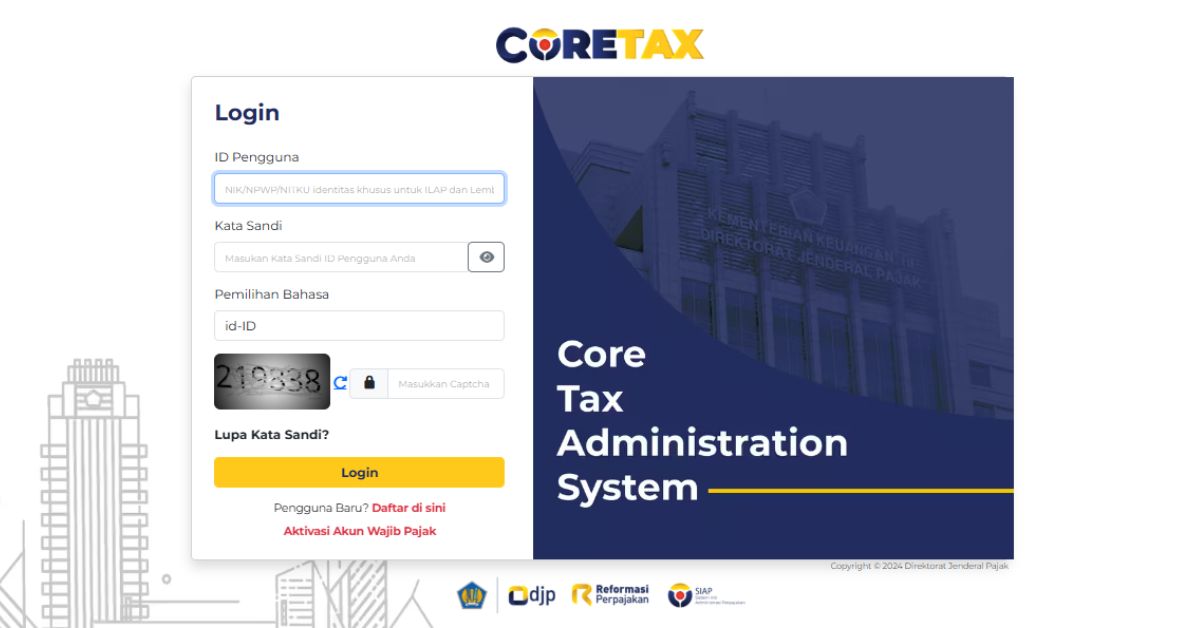
Despite its importance, EFIN-related issues remain common:
- Delays in registration
- Inactive or expired EFIN credentials
- Lost EFIN numbers
- Data mismatches between NPWP and DGT systems
These issues can lead to late SPT submissions, administrative sanctions, and increased audit risk. Professional assistance significantly reduces these exposures, particularly for expatriates and foreign-owned entities.
EFIN and Corporate Tax Compliance
EFIN also functions as the primary access credential for:
- Corporate income tax reporting
- VAT filings
- Withholding tax submissions
For foreign-owned companies (PT PMA), corporate EFIN registration is mandatory. In addition, foreign directors qualifying as Indonesian tax residents generally require a separate personal EFIN.
Fully Inclusive Tax & Accountancy Packages
To simplify compliance, LMI Consultancy offers fully inclusive tax and accountancy packages designed to manage:
- Monthly and annual tax reporting
- NPWP and EFIN monitoring
- Compliance deadlines and reporting schedules
- Ongoing regulatory changes
These services reduce administrative burden while ensuring continuity and accuracy.
Why Partner with LMI Consultancy?
Navigating Indonesia’s tax system requires more than procedural execution. It demands regulatory insight, risk awareness, and practical coordination between tax, immigration, and business advisory. LMI Consultancy provides:
- Specialised expertise in Indonesian and ASEAN tax frameworks
- Integrated tax, immigration, and business setup services
- Dedicated support for Indonesians, expatriates, and foreign investors
- Risk-based advisory beyond technical compliance
Register Your EFIN with LMI Consultancy
EFIN may appear administrative, but its implications are substantial. For individual taxpayers in Indonesia, local or foreign, it is the gateway to lawful, secure, and efficient tax compliance.
With proper guidance and structured support, EFIN registration becomes a straightforward process rather than a compliance obstacle.
Partnering with LMI Consultancy ensures not only accuracy but strategic clarity in Indonesia’s evolving regulatory environment.
For tailored assistance with EFIN registration, tax compliance, or business advisory in Indonesia and ASEAN, LMI Consultancy is ready to support your next move.