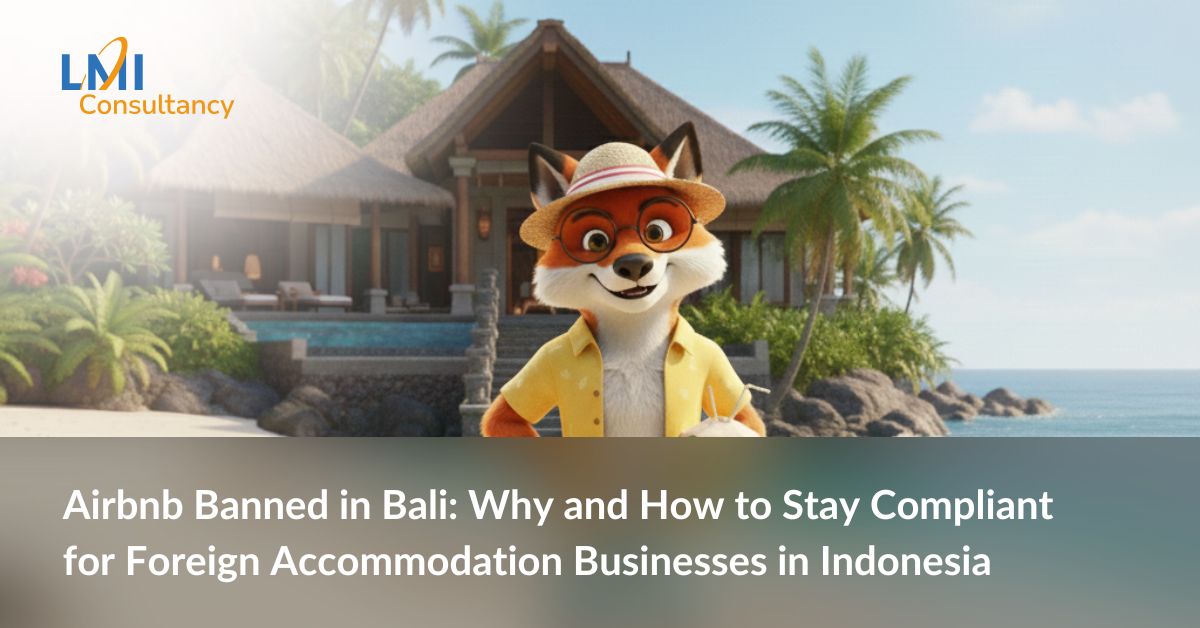
Bali’s long-running tension between booming tourism demand and regulatory enforcement has re-emerged, with Governor Wayan Koster signalling a tougher stance on short-term accommodation listed on digital platforms such as Airbnb.
The move is less about banning technology, officials say, and more about addressing a widening gap between visitor growth and regional tax revenues, alongside persistent violations of licensing, zoning, and immigration rules.
According to the Bali Provincial Government, over 2,000 hotels and villas are currently operating without the proper permits. Many of these properties, officials argue, are marketed through global platforms but fall outside Indonesia’s formal tax and licensing framework, undermining Pendapatan Asli Daerah (PAD), or locally generated revenue.
“Tourist arrivals continue to rise, but occupancy and fiscal contributions do not increase proportionally,” Koster said at a regional meeting of the Indonesian Hotel and Restaurant Association (PHRI) in Denpasar. “That imbalance harms licensed operators and weakens the local economy.”
Does Bali Ban Airbnb? Understanding The Legal Takes
Despite headlines suggesting an outright ban, Indonesia’s Ministry of Tourism has moved quickly to clarify the government’s position. Online travel agencies, including Airbnb, remain lawful and recognised business partners. What is changing is enforcement.
“The government has never banned, and does not intend to halt, operations of online accommodation platforms,” the Ministry said in a statement, following coordination meetings with OTAs in late 2024.
Instead, regulators are drawing a sharper line between legal and illegal accommodation businesses. Properties that fail to meet licensing, zoning, tax, and safety requirements, regardless of how bookings are generated, are likely to face sanctions starting in 2026, according to provincial officials.
In short, Airbnb isn’t the Problem. Non-Compliant Villas are
Bali’s government has drawn a clear regulatory line in the sand: by 31 March 2026, every accommodation listed on online travel agencies (OTAs), including Airbnb, must hold a valid Indonesian business license. Properties that fail to comply face a simple outcome: delisting.
The move has sparked renewed concern across Bali’s tourism and property sectors, reigniting speculation that Airbnb itself could be banned. Officials and the central government, however, have been unequivocal: the platform is not the issue. Illegal operations are.
Airbnb’s Position and Cultural Engagement
Airbnb, which has operated in Bali for over a decade, has responded by highlighting its role in promoting cultural tourism. In 2024, the company partnered with UNESCO to launch the Bali Cultural Guidebook, aimed at directing visitors beyond traditional hotspots and supporting lesser-known regions such as Bangli, Buleleng, and Tabanan.
“Travel becomes more meaningful when it builds genuine connections with local people and culture,” said Mich Goh, Airbnb’s Director of Public Policy for Asia Pacific, at the launch.
While such initiatives underscore Airbnb’s soft-power role, they do not alter the regulatory reality for hosts: local law prevails.
Why Legal Status Matters For Property Ownership in Indonesia
The crackdown has implications beyond hospitality operators. It also intersects with two critical issues for foreigners in Indonesia: immigration compliance and property ownership.
Indonesia does not allow foreign nationals to freely own land or operate accommodation businesses in their personal capacity. Villas rented informally, often by foreigners on tourist visas, may violate multiple regulations simultaneously, including:
- Immigration laws (working or earning income without proper permits)
- Property and land-use regulations
- Business licensing requirements under the OSS (Online Single Submission) system
- Local and central tax obligations
From the government’s perspective, illegal rentals distort competition, erode tax revenues, and expose guests to safety and legal risks.
For visitors, the issue is also one of legal stay. Staying in or managing an unlicensed property does not protect a foreigner from immigration enforcement. Indonesia’s immigration law places responsibility on individuals to ensure their visa status aligns with their activities, including property management or rental income.
Also read: Will Cloudflare and ChatGPT Be Blocked? What Business Should Know About Indonesia PSE Rules
The Legal Path: Property Use Through Business Registration
Contrary to common misconceptions, foreigners can participate in Indonesia’s property and accommodation sector, but only through proper legal structures.
The most widely used pathway is the establishment of a foreign-owned limited liability company (PT PMA). Through a PT PMA, foreign investors may:
- Operate licensed accommodation businesses
- Obtain relevant business permits via OSS
- Comply with zoning and building regulations
- Register for and pay applicable taxes
- Apply for an Investor KITAS/KITAP to stay legally in Indonesia
While PT PMA structures do not grant freehold land ownership, they allow lawful right-to-use (Hak Pakai) or long-term lease arrangements that are recognised under Indonesian law.
This framework is increasingly central to the government’s message: economic participation must be structured, visible, and taxable.
Tourism Ministry: Compliance Is Not Optional
Tourism Minister Widiyanti Wardhana reinforced this position, stating that business legality is not a mere administrative exercise.
“Permits issued through the OSS system are a prerequisite for tourism accommodation businesses to meet safety, professionalism, and fiscal standards,” she said. “These directly affect both regional revenue and national tax collection.”
The Ministry has emphasised collaboration over restriction, encouraging platforms, property owners, and local governments to align on standards that support sustainable, high-quality tourism rather than informal growth.
Operate Property Legally: Register Your Property in Bali Through Business Registration
Legal accommodation operations in Bali typically require:
1. Immediate Due Diligence
- Zoning verification
- Ownership and land title review
- Eligibility for commercial use
2. Business Entity Establishment
- Formation of a PT PMA (foreign-owned company) or an eligible structure
- Alignment with permitted business activities
3. Licensing and OSS Registration
- Completion of OSS registration
- Tourism business classification
- Regional operational permits
Only through a properly registered business can a property:
- Be listed on OTAs
- Collect income legally
- Pay applicable taxes
- Operate long-term without regulatory risk

How LMI Consultancy Supports Legal Entry and Investment
As Bali and other regions move toward stricter enforcement, early compliance has become a strategic necessity.
Navigating the legal and immigration landscapes as a foreign national requires more than surface-level advice. LMI Consultancy assists foreign individuals and companies in structuring their presence in Indonesia legally and sustainably, including:
- Visa and stay permit advisory (tourist, investor, work, and long-term stays)
- PT PMA establishment for property and accommodation businesses
- OSS licensing and sector-specific permits
- Property-use structuring aligned with zoning and land regulations
- Ongoing compliance across immigration, tax, and corporate obligations