- Home
- Business Expansion
- Warehouse License in Indonesia
Warehouse License in Indonesia
- Share:
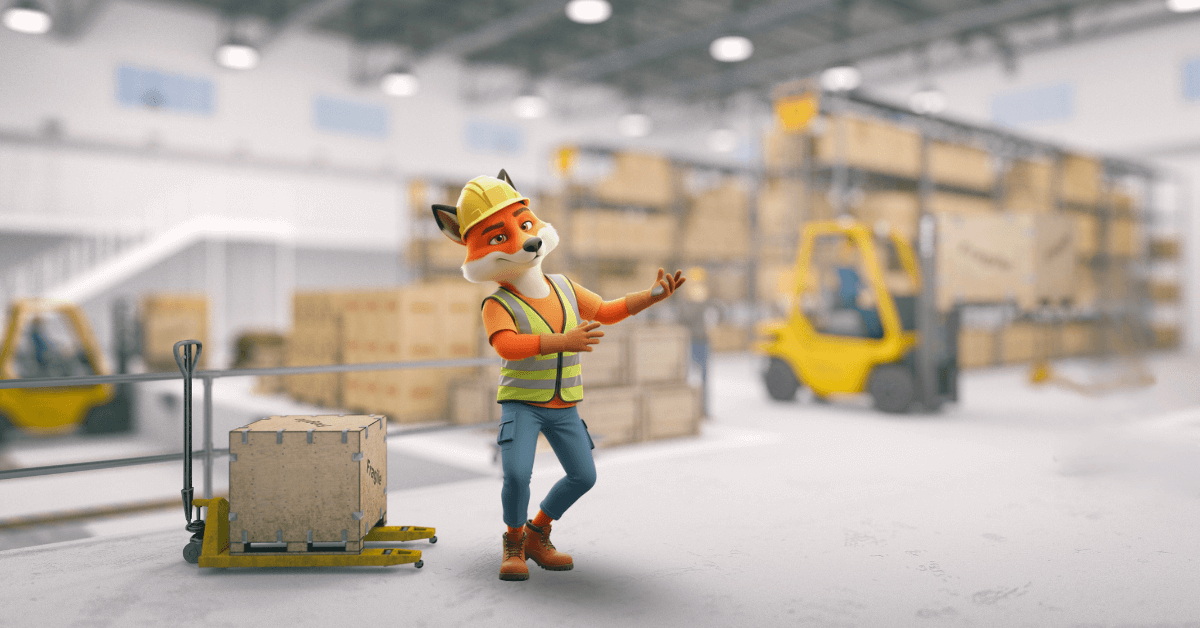
When starting an Indonesian e-commerce business, remember to include a strategically located warehouse for efficient distribution in your planning. However, establishing warehouses in Indonesia requires your company to comply with specific regulations.
To operate a warehouse in Indonesia, you must obtain the necessary licenses and approvals from the relevant authorities. These licenses generally ensure the location is suitable, safety standards are met, environmental regulations are followed, and zoning laws are obeyed. To operate in Indonesia, warehouses need a TDG (Tanda Daftar Gudang) license proving they meet environmental safety standards.
Classes of Warehouse in Indonesia
- Class A: Closed Warehouse within the area of 100 m² – 1.000 m² and have 360 mᶟ – 3.600 mᶟ storage capacity
- Class B: Closed Warehouse within the area of 1.000 m² – 2.500 m² and have 3.600 mᶟ – 9.000 mᶟ storage capacity
- Class C: Closed Warehouse within the area of >2.500 m² >9.000 mᶟ
- Class D: Closed Warehouse with no particular specifications – however, this type of warehouse must take the form of a tank or silo. It has 762 mᶟ or 400 tons of storage capacity
- Large Warehouse: Open Warehouse with at least 1.000 m² area with an unlimited storage capacity
Types of E-Commerce Businesses in Indonesia
For foreign companies expanding or starting operations in Indonesia, an Indonesian warehouse license offers significant benefits.
- By ensuring compliance with Indonesian law, a warehouse license protects foreign companies from penalties, fines, and operational disruptions. This legal framework provides operational security, allowing businesses to focus on growth without the constant worry of regulatory issues.
- Licensed warehouses streamline the movement of goods, giving foreign businesses efficient access to local and global markets.
- Having a warehouse license improves a company's reputation with stakeholders such as clients, suppliers, and regulatory bodies.
- The warehouse type (such as a bonded warehouse) determines whether foreign companies can receive tax benefits, such as VAT exemptions for imported goods or delayed duty payments.
- Foreign companies can optimise their logistics and cut shipping costs and delivery times by using a licensed warehouse.
- Licensed warehouses are crucial to trade, offering essential storage and distribution for imports and exports.
- A strong licensing system shows a stable business environment, attracting more investment from home and abroad.
Additional Warehouse Licensing in Indonesia: Store Department Assistance & Regulatory Guidance
In Indonesia, individuals or businesses that wish to operate a public warehouse—a facility used to store goods or commodities for third parties—must comply with the Warehouse Act and obtain an official warehouse license from the authorized store department under the Ministry of Trade. This process ensures that all warehouse operators meet national standards for transparency, safety, and financial accountability.
Who Can Apply?
Both individuals and legal entities such as a corporation, distributor, or manufacturing company may apply for a public warehouse license. The applicant can be the owner or an authorized operator designated through an official agreement. The license allows them to legally store goods on behalf of clients and issue warehouse receipts or proof of custody.
Application Requirements
To file for a warehouse license, the applicant must submit the following:
- Valid business registration and corporate documents
- Proof of financial capacity
- Location and physical address of the warehouse
- Details of the product or commodity to be stored
- Identification and organizational structure of the warehouse operator
- Floor plans and infrastructure overview
- Legal code references or business classification
- Agreement copies (if operated by a third party)
Inspection and Fees
Upon submission, an official inspection will be conducted to verify compliance with building standards, capacity, and operational safety. A registration fee applies, and varies depending on the size and purpose of the warehouse. Warehouses handling regulated goods may be subject to additional checks and requirements.
Applicants unfamiliar with the process are encouraged to seek assistance from licensed consultants or business advisors in Indonesia who specialize in warehouse licensing and compliance. This ensures a smoother process and adherence to all regulatory expectations under the Warehouse Act.
Document Requirements for Storage Warehouse Licenses Application
- License application letter
- Copy of the business owners’ Identity Card (KTP)
- For Foreign Investors: Limited Stay Permit Card (KITAS) or VISA / Passport (Photocopy)
- Deed of establishment
- Proof of land rights and/or proof of lease
- SPPL
- IMB
- Approval from the neighbourhood
- Environmental Permit
- Other required document
Register an Warehouse License in Indonesia with LMI Consultancy
- Consult your inquiry with our professional consultant
- Submit necessary document
- Proceed with the payment
- Application process
- Receive the complete document
Other Popular Legal Licensing Services in Indonesia


Setup a Business in Indonesia with LMI Consultancy
Established in 2016, LMI Consultancy has been supporting countless individuals in understanding the intricacies of visas, business setup, tax & accounting, and property investment in Indonesia, providing a comprehensive and dependable service.
We take pride in being an ethical and innovative company that places a strong emphasis on exceptional customer service and strives to set a new standard in our industry, guaranteeing a smooth and encouraging experience for our clients.
FAQ
Could a foreign company set up a warehouse in Indonesia?
Yes, any Indonesian business can have a warehouse.
Is there an expiration date on the TDG license?
The warehouse remains usable provided it’s intact and structurally unaltered.
What are the consequences of my warehouse lacking TDG certification?
Your business cannot operate, and you can’t legally use the warehouse.
Disclaimer : Our services in LMI Consultancy provide consulting services focused on ensuring client compliance with applicable immigration and legal regulations in Indonesia. We do not provide or facilitate the production of official government documents, nor do we offer any expedited or preferential access to government services.





Contact Us
Discover How We Can Help You
Transform your ambitions into achievements. Contact LMI Consultancy today and take the first step towards your business or life expansion across Asia!
- Jakarta HQ Office
Get Your Free Consultation
Connect with our consultants for expert advice.
- Seminyak Bali Office
Get Your Free Consultation
Connect with our consultants for expert advice.
- Sanur Bali Office
Get Your Free Consultation
Connect with our consultants for expert advice.
News & Resources
Get to Know the Latest Business & Visa Updates

Moving to Indonesia is rarely just about getting the paperwork right. For foreign nationals, entrepreneurs and professionals, settling into a new country can involve securing an Indonesia visa, establishing a company, managing tax obligations, obtaining licences and navigating the country’s regulatory requirements. But there is another part of settling in that no visa application or […]
natalia Hanifa
October 7, 2026

On 15 September 2026, the Government issued the Joint Decree of the Minister of Religious Affairs, Minister of Manpower, and Minister of Administrative and Bureaucratic Reform through SKB No. 1205/2026, No. 3/2026 and No. 2/2026, establishing 18 national public holidays and eight collective leave days for 2027. For companies operating in Indonesia, public holidays can […]
LMI Consultancy
September 30, 2026
For foreign nationals, an Indonesia visa for tourists is determined by more than the length of a holiday. Nationality, number of entries and the purpose of the visit can all affect which immigration route is appropriate. Indonesia offers several visa options, from the short-term Visa on Arrival Indonesia (VoA) and its electronic counterpart to longer-stay […]
LMI Consultancy
September 18, 2026

For foreign nationals travelling to Indonesia specifically to participate in an international exhibition and market products or services, the C11 Exhibitor Visitor Visa provides a dedicated immigration route. The C11 is a single-entry visitor visa that allows an initial stay of up to 60 days from arrival. Subject to the applicable requirements, the stay can […]
LMI Consultancy
September 17, 2026

For companies in Indonesia, the annual report is part of maintaining a company’s standing within the country’s corporate administration system, and in 2026, the timing has become particularly more important. Since 1 June 2026, Indonesian limited liability companies (Perseroan Terbatas or PTs) have been able to submit their annual company reports electronically through the Legal […]
LMI Consultancy
September 14, 2026

Hiring foreign talent in Indonesia comes with more than an employment contract and an immigration application. For companies that rely on foreign workers, compliance extends across the manpower and immigration systems, and one of the obligations that should be accounted for early is the Dana Kompensasi Penggunaan Tenaga Kerja Asing (DKPTKA). Often referred to historically […]
LMI Consultancy
September 2, 2026