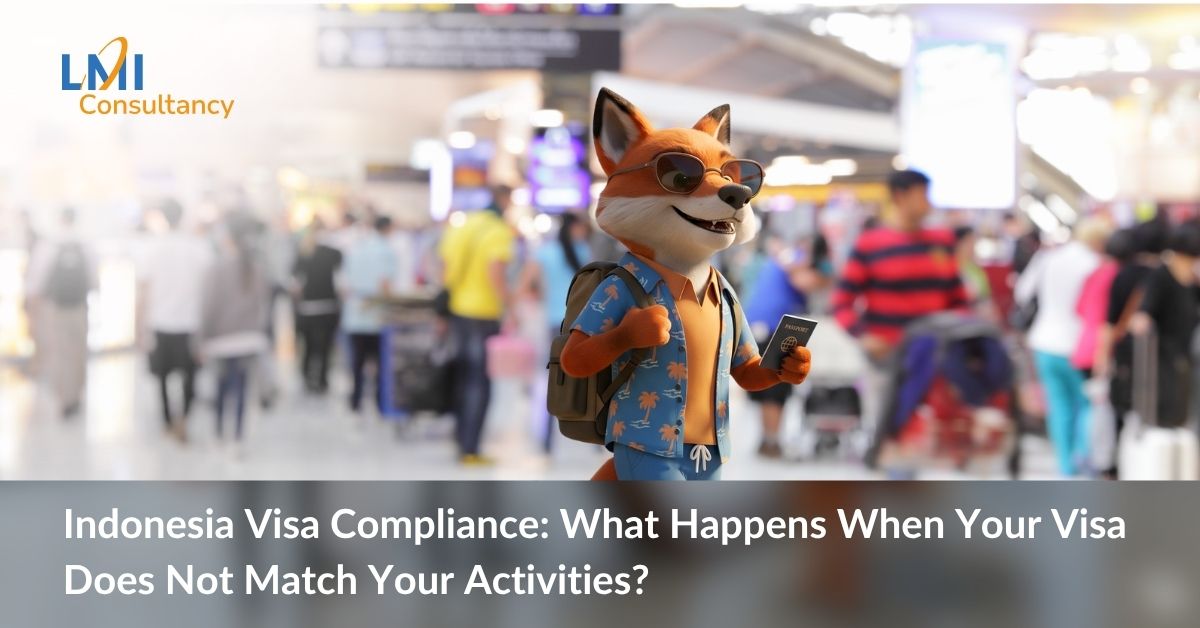
For frequent travellers, the introduction of Multiple Entry visa options, specifically Visa D1 (tourism) and Visa D2 (business), offers a more flexible way to enter Indonesia without repeated applications.
These visas are particularly relevant for individuals who travel regularly between jurisdictions, including those exploring a business in Indonesia, regional executives, or an Investor monitoring opportunities. Unlike a visa on arrival, which is limited in scope and duration, Multiple Entry Visas provide longer validity, often up to 1 year, with the ability to exit and re-enter Indonesia multiple times.
From a regulatory standpoint, these visas align with Indonesia’s broader push to digitise immigration processes while maintaining compliance oversight under Indonesian authorities.
Multiple Entry Visa: The Difference from a Single Entry Visa
The distinction between a Multiple Entry and Single Entry visa lies in both functionality and strategic use.
A Single Entry visa allows one-time entry into Indonesia. Once you exit, the visa becomes invalid, even if unused time remains. This model is still common for short-term stays or individuals entering via visa on arrival, particularly in destinations such as Bali.
In contrast, a Multiple Entry visa allows travellers to leave the country and return multiple times within the visa’s validity period, typically 1 year. This is especially useful for business professionals who need to travel frequently across ASEAN.
However, each visit is still limited. Travellers are typically granted up to 60 days per stay, meaning they must leave the country once that period ends before they can re-enter Indonesia.
Types of Multiple-Entry for Business and Tourism in Indonesia
Indonesia offers two primary Multiple Entry visa categories: Visa D1 for tourism and Visa D2 for business. Both are designed to support mobility, but their permitted activities differ significantly.
Tourist Visa D1
Visa D1 is intended for leisure travellers who wish to stay in Indonesia for tourism purposes across multiple visits.
It is commonly used by travellers who frequently visit destinations such as Bali, allowing them to return without reapplying for a new visa each time. Each visit is typically limited to 60 days per visit, with the option of an extension depending on prevailing immigration policies.
However, holders must strictly adhere to non-commercial activities. Engaging in business or income-generating work is not permitted.
For those exceeding their permitted days per visit, penalties may apply, calculated daily in IDR, reinforcing the importance of compliance.
Business Visa D2
Visa D2 is designed for individuals engaging in business-related activities without formal employment in Indonesia.
This includes attending meetings and negotiations, conducting market research, and exploring partnerships or investment opportunities.
For an Investor assessing a business in Indonesia, the D2 visa provides a structured pathway to enter Indonesia multiple times within a defined period, typically 1 year.
However, it is important to distinguish that this visa does not replace a KITAS. Individuals who intend to actively manage operations, generate income locally, or hold executive roles must transition to a residency permit such as a KITAS.
Length of Stay
While Multiple Entry visas may be valid for up to 1 year, the permitted stay for each visit remains limited.
For both D1 and D2 visas, travellers are generally allowed up to 60 days per visit. In certain cases, an extension may be granted, allowing a longer stay in Indonesia, potentially reaching up to 180 days, depending on current regulations.
Travellers must leave the country once the permitted period ends. They may then re-enter Indonesia, restarting a new stay cycle within the visa validity.
Also read: Conduct a Deep Market Research in Indonesia with a Pre-Investment Visa
Frequently Asked Questions
Do I still need a visa if I frequently travel to Indonesia?
Yes. Foreign nationals must hold a valid visa to enter Indonesia, whether through a Multiple Entry Visa or a visa on arrival.
Can I work in Indonesia with a Multiple Entry Visa?
No. To work legally, you must obtain a KITAS and comply with Indonesian manpower regulations.
How long can I stay in Indonesia per visit?
Typically up to 60 days per visit. Some visas may allow an extension, potentially reaching 180 days, depending on policy.
What happens if I overstay?
Overstaying results in fines calculated in IDR per day and may affect future visit visa applications.
Can I re-enter Indonesia after leaving?
Yes. You can leave the country and re-enter Indonesia multiple times within the visa validity period.
How long does the application process take?
Processing is generally efficient and may take several working day cycles, depending on documentation.
Should I use a visa agency?
While applications can be completed independently, many travellers choose a professional visa agency to ensure compliance and efficiency.
For individuals navigating Indonesia’s evolving immigration framework, selecting the correct visa type is increasingly important. Whether you are travelling frequently, exploring investment opportunities, or planning to establish a business in Indonesia, aligning your visa strategy with your long-term objectives ensures both compliance and operational flexibility.
Apply for Multiple Entry Visa Indonesia through LMI Consultancy
LMI Consultancy provides end-to-end support for foreign nationals navigating Indonesia’s visa framework.
From Multiple Entry Visa applications to long-term residency solutions such as KITAS, the firm offers structured, compliant, and efficient advisory services.